
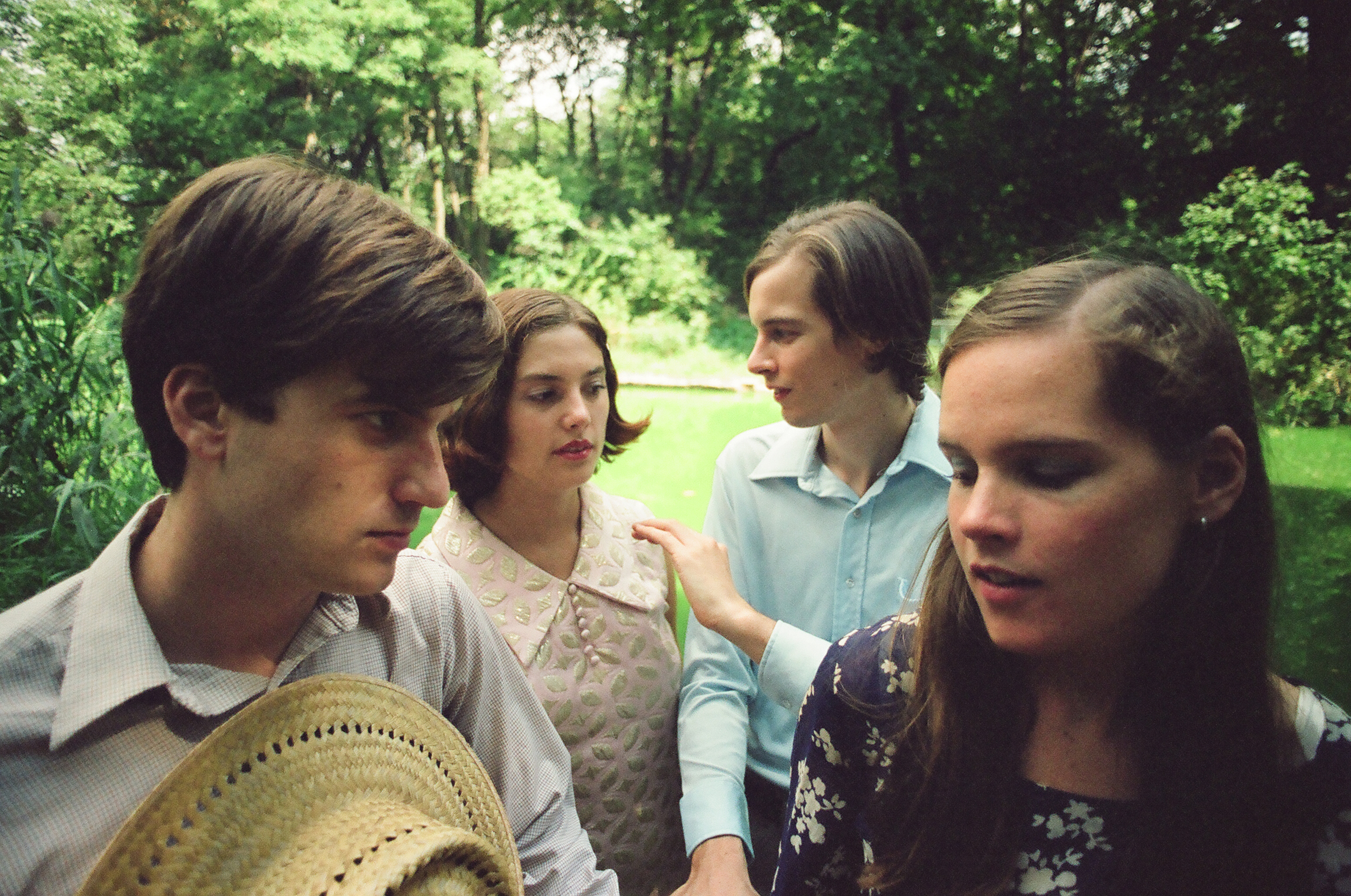
The Ladybug Transistor were a Brooklyn-based indie pop group associated with The Elephant Six Collective. Started in 1995 by Gary Olson, Edward Powers and Javier Villegas, the band quickly released Marlborough Farms on Park N’ Ride Records. With Jeff Baron and Jennifer Baron added to the lineup, they released Beverley Atonale in 1997, this time on Merge Records. Powers left the band, and the remaining members, with San Fadyl and Sasha Bell of The Essex Green, embarked on a United States tour. With a more stable lineup, the band released The Albemarle Sound in 1999, as well as added violinist Julia Rydholm, also of The Essex Green, to the lineup. In 2001, Argyle Heir was released, and the band released a self-titled album in 2003 which was recorded in their own Marlborough Farms studio. In April 2006, Fadyl began fighting serious asthma attacks that led to his death in 2007. The band released its sixth album, Can’t Wait Another Day, the same year. This line-up included Kyle Forester (Crystal Stilts) and Ben Crum of Great Lakes.For their seventh album, Clutching Stems, Olson, Forester and Rydholm gathered new recruits Mark Dzula (The Magic Caravan, Jukebox Radio), Eric Farber (The Lisps), and Michael O’Neill (MEN). The album, recorded once again at Marlborough Farms studio and Sunset Cottage, Poconos, was released in 2011 via Merge Records and was their last record.
The Ladybug Transistor are now back with an expanded 25th Anniversary reissue and tour for their timeless indiepop classic album The Albemarle Sound.
Originally released in 1999 on Merge Records, The Albemarle Sound, the third full-length LP is perhaps the last great pop album of the 20th century, and turns its attention yo the intricate arrangements of late 1960s pop and the strange and familiar environs of home. The notion of home is important to The Albemarle Sound, not just lyrically and thematically, but in the fact that the album was recorded, mixed and produced in a Victorian house in Flatbush named Marlborough Farms. The Ladybug Transistor was formed in 1995 as the home recording project of singer and trumpeter Gary Olson, and by 1999 the group had swelled to include siblings Jeff Baron (guitar) and Jennifer Baron (bass), Sasha Bell (keyboards and flute), San Fadyl (drums), and Julia Rydholm (violin), who lived together at Marlborough Farms, a home filled with instruments, recording equipment and a piano room where the group made demos. “The instruments and recording equipment around the studio seemed to have stories that were woven into the fabric of the house or its prior inhabitants,” recalls Jennifer, the sense of history and community evident in the warmth of The Albemarle Sound. Recorded entirely analog on a 16-track machine, the album invites the listener in by invoking place with an impressionist’s attention to detail and a surrealist’s curiosity. Moments at Sheepshead Bay and Prospect Park are transfigured in the light through the windshield of a car as tears are transubstantiated into summer rain and canals take the place of asphalt streets. Musically, these scenes are given voice by Olson’s rich baritone and animated by arrangements that meld elements of the kind of baroque, orchestral pop practiced by Brian Wilson and Burt Bacharach with the sweeping cinematic vistas of Luis Bacalov, imbuing their surroundings with California sunshine and an occasional bit of western swagger. Each of The Albemarle Sound’s 12 songs are soundscapes unto themselves, entire neighborhoods built by the careful employment of voice and instruments, every part exquisitely placed to prick the ear and pull the heartstrings at just the right time. The lineup that shaped The Albemarle Sound weaved in and out of each other’s projects over the years that followed the album’s release, including Gary’s solo output, Jeff and Sasha’s band The Essex Green, Jennifer’s band The Garment District, and The Sasha Bell Band.
The album’s 20th anniversary prompted shows in New York City and Norway featuring a reformed lineup of Gary, Jeff, Jennifer, Sasha, and, Julia. A tour followed in 2023, focusing on songs released during the band’s most productive period, 1999-2003,that welcomed Derek Almstead (Giant Day) on drums and included a special engagement at The Andy Warhol Museum.
Their Mixtape
Gary’s selections
Jack Nitzsche – The Lonely Surfer
Back when we were touring regularly we often used the Lonely Surfer often as our intro music to walk out to as we were tuning up. It always seemed to help set the tone and a solid kick off to any mixtape.
Dillard and Clark – Why Not Your Baby
The picking guitar and the strings really make this soar in its own way. Huge influence.
Nancy Sinatra – Get While The Gettin’s Good
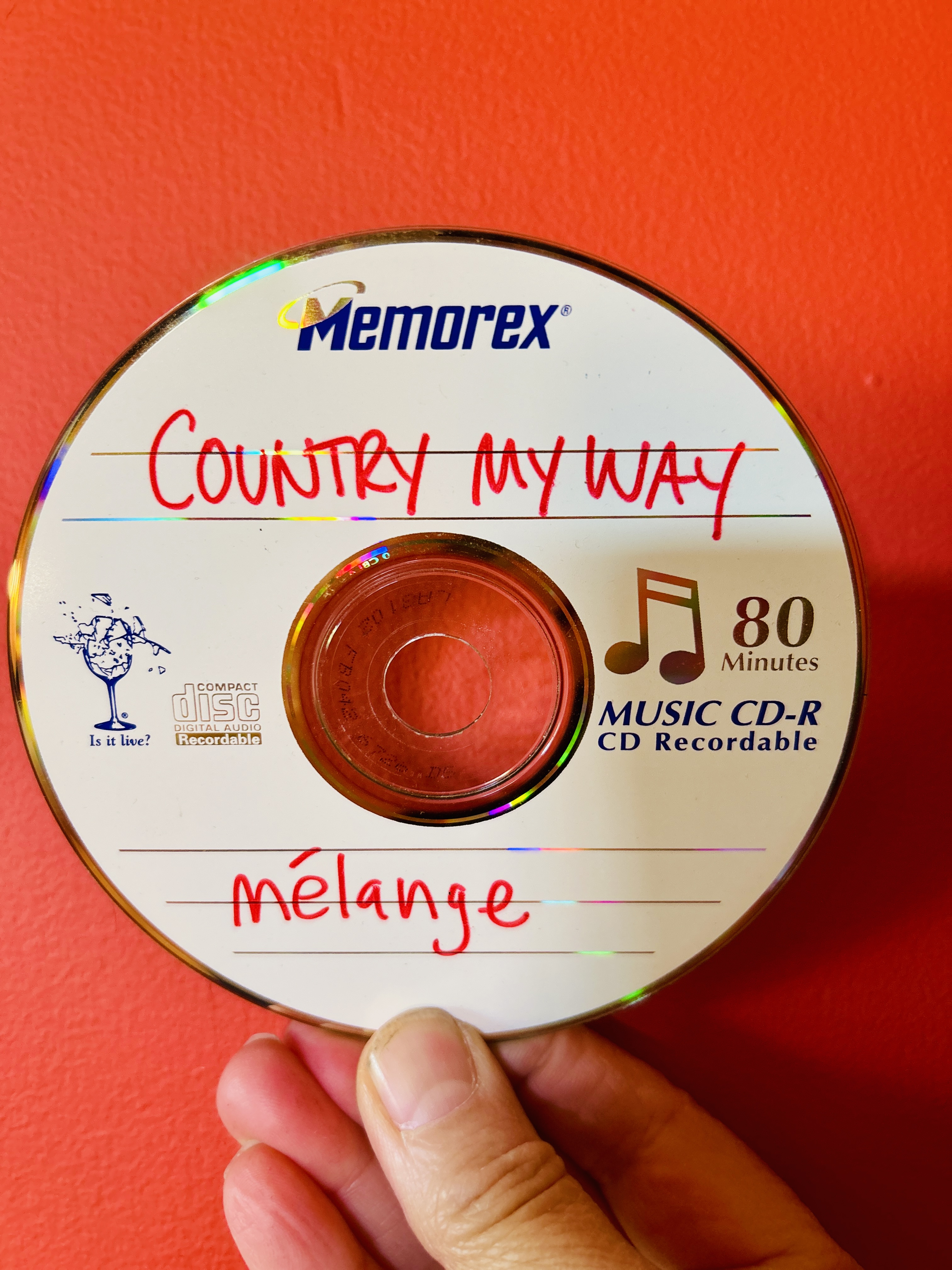
We had a mixtape in the van titled Country My Way and this was song two. At the time we had two couples in the band and would laugh while singing the words to each other.
Goldie – Goin’ Back
Best version of this song in my opinion.
Denny Doherty – Gathering The Words
Pedal steel and strings! We love Denny.
Jackie DeShannon – When You Walk In The Room
Love the immediacy of this original version by Jackie and the over the top Nitzsche production. Jennifer and I once got to see her play live and sat at a table in the front. During “What the World Needs Now” Jackie stuck a microphone in my face to sing along… I was terrified!
Nashville West – By The Time I Get To Phoenix
Clarence White’s guitar solo in this version is one of my favorite musical moments of all time.
Mel Tillis – Who’s Julie
We heard this on the radio once during a long drive across Arizona. There were so many more stations that played forgotten 60’s country hits at the time. The lyrics are as outrageous as the string arrangement.
Jennifer’s selections
Lee Hazlewood – No Regrets
It would be impossible to overstate the significance that the music and production of Lee Hazlewood has meant to us, especially while making The Albermarle Sound in the house where several of us lived together in Brooklyn. Written by Tom Rush, it’s not my favorite Lee song, however, along with the next 3 tracks I chose, it appears on the “Country My Way” tape we made to play before going on stage during our many tours. I love this mixtape so much that that I still frequently listen to the CD version I made of it. As Gary mentioned, with two couples in the band, we would joke around singing the lyrics to Lee and Nancy’s Jackson, and this one from the 1969 album, The Cowboy & The Lady. The lady in this case being Swedish-American actress, singer and dancer Ann-Margret. It was a time before the proliferation of boutique reissues and we would trade cassette and CD mixes with our friends’ bands who we often toured with. We sought out rare copies of Lee’s albums on vinyl while visiting record shops on tour, including in Sweden, and the 2000 reissues on Steve Shelley’s Smells Like Records were soon in regular rotation. Light in the Attic has since released expanded reissues of Lee’s vast archives. I still can’t comprehend why Lee is not a household name like Phil Spector for his pioneering talents as a producer, not to mention a brilliant songwriter. His voice comforts my soul and I continue to learn from him.
David Hemmings – Back Street Mirror
Actors can sometimes make terrific records (Peter Fonda’s cover of the Gram Parsons song, November Night, would be a perfect addition to this mixtape!) and this is one of my favorite examples. It’s almost impossible to choose between Hemmings and Gene Clark’s original, recently unearthed for a much-deserved proper release of The Lost Studio Sessions: 1964-1982, a collection of rarities from the archives of the Jim Dickson, whose iconic production is heard here. Going with Hemmings because Gary already selected my all-time favorite Gene Clark song! The world fell in love with his intense blue eyes watching Blowup, but I also love him as the pianist protagonist in Dario Argento’s Deep Red. Gentle flutes signal the way into chugging guitar strums and distinctive bass lines. A gorgeous composition with well-orchestrated arrangements by Jimmy Bond that has all the right elements: brilliant wistful melody, soaring trumpets, jangly tambourine, gentle yet driving rums, harpsichord accents. You can instantly tell it was written by Clark, one of the 20th century’s most prolific songwriters. Dickson’s classic production is backed by guitarist Roger McGuinn and bassist Chris Hillman of the Byrds. Hemmings’ debut album also includes a cover of “Reason To Believe” by Tim Hardin, who we listened to a lot back in those days. From 1967, my favorite year for music.
Sandy Denny and Strawbs – On My Way
Another slice of 1967 heaven. For this gem penned by Strawbs leader Dave Cousins, the band teamed up with the great Sandy Denny, who joined Fairport Convention soon after. Following a few bars of lush acoustic guitar strums and folky ba-ba-bas, the opening lyrics just crush me. They seem so prescient: “Empty glasses on the tables; Rows of bottles without labels; No-one drinks with friends no more; Look to yourself and that’s for sure; Pull up all the roots I’m growing; I’m on my way; Don’t know quite just where I’m going; I’m on my way.” As Denny and Cousins trade vocal duties and sublime harmonies, the folk rock ballad soldiers on with more themes of contemplative and conflicted wanderlust and a just-long-enough 12-string (sitar?) solo. Perfect for listening to in the van on tour.
Neil Young – The Emperor of Wyoming
My brother Jeff and I were raised on the music of Neil Young and have been lucky to see him perform with our parents. I have always adored Neil’s debut album and feel like it is somewhat underappreciated. Love the way this instrumental is out of the gate like a straightforward county rock tune and then lilting strings buoyantly carry it along and suddenly it’s over in under 3 minutes. The way Jim Messina’s bass is played and produced inspires to me. I love Neil’s time with Buffalo Springfield and this is like a sonic bridge from that fantastic, creative time into Neil’s evolution over the next epic decade. The contributions of brilliant producer Jack Nitzsche (see Gary’s selection of “The Lonely Surfer”) and the lush strings were very inspiring to us. I have read various stories about the provenance of this song, so a personal note about that! The song title makes me believe it could be about Neil’s producer and lifelong friend, David Briggs, who as legend goes, picked up a hitchhiking Neil in 1968. Speaking of hitchhiking, Briggs grew up with and attended Natrona County High School in Casper, Wyoming, with my mother-in-law and my husband’s uncle, and wild tales abound about their own friendship, including Custom Car Club exploits and hitchhiking to Los Angeles together. I love Neil’s playing on this song, which Briggs has said they ran through a Leslie “to attain psycho guitar noises.” More about why I am deeply drawn to instrumental music here.
The Beau Brummels – Love Can Fall A Long Way Down
Wanted to add one I fell in love with after our Albemarle Sound-era that I’d add to our Country My Way mixtape if we made a Part 2! The fifth album by the Beau Brummels is a fantastic example of early country rock and an expansion of the band’s earlier sound. Released in 1968 (probably my second favorite year for music!), I love how it fuses amazing San Francisco Sound bands like the Charlatans and Moby Grape, while also harkening back to the legendary Nashville Sound. Named after the recording studio run by Owen Bradley in a converted barn where they made the album, it was produced by “Nashville Cats” figure David Briggs (the other David Briggs!) who also provides classic keyboard stabs. Legendary Nashville session players fill out the song, including guitarist Jerry Reed (love his twangy, almost frantic syncopated style displayed here, or is that a harpsichord?!), drummer Kenny Buttrey and bassist Norbert Putnam, who played with the Muscle Shoals house band. I am also gripped by the haunting lyrics and the song’s vibe that is melodic but also tinged with a gentle doom.
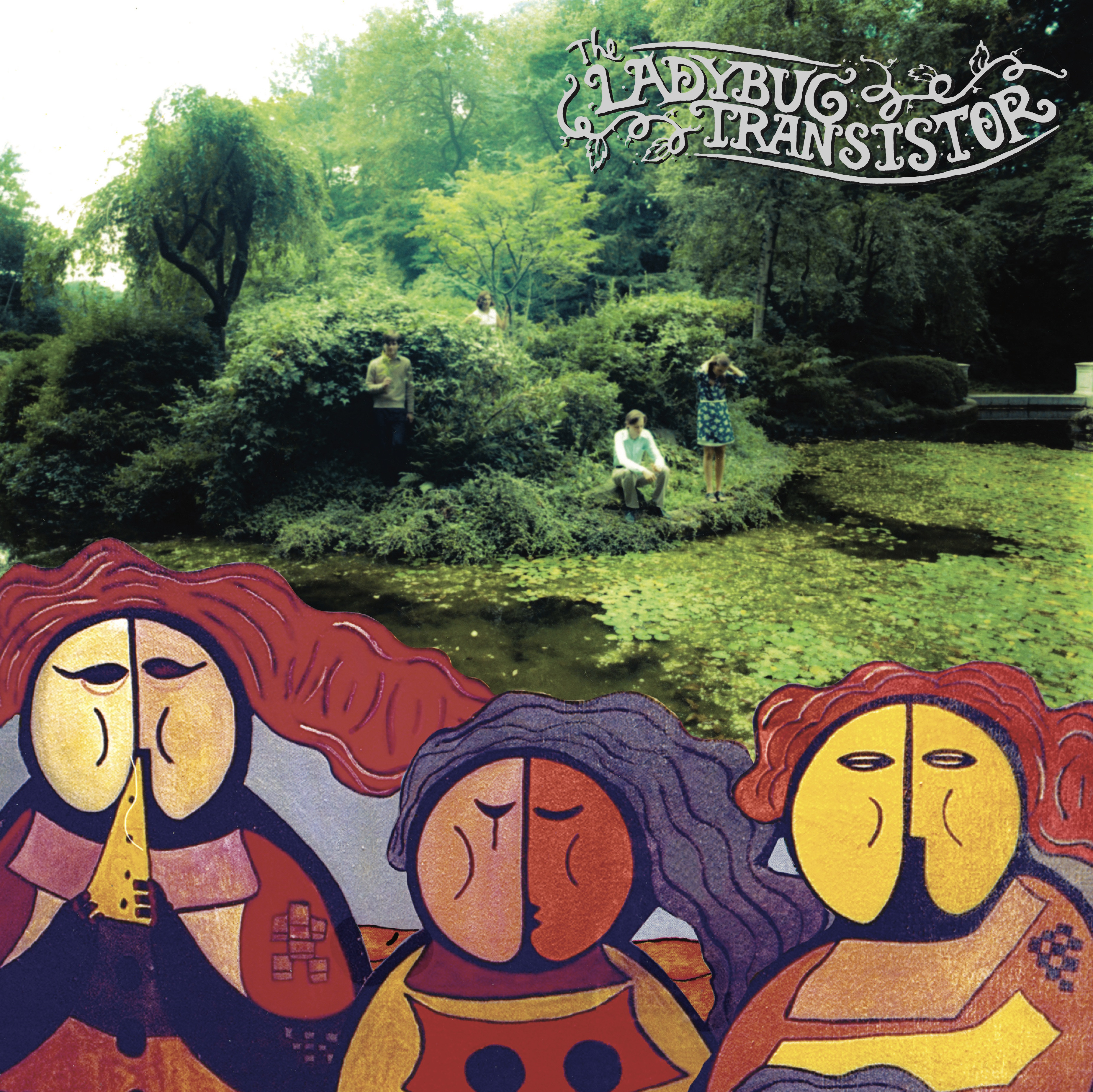
For the 25th anniversary of The Albemarle Sound, the record has been lovingly reissued on silver vinyl by Happy Happy Birthday to Me Records. The CD includes 12 bonus tracks which break open the year-long recording process with the inclusion of rare B-sides, four-track demos, instrumentals and alternate mixes, further highlighting the band’s mastery of songcraft while teasing out the intricate worlds those songs contain, making a case, as fans of The Ladybug Transistor have known for decades now, that The Albemarle Sound is as infinitely rewarding to return to as it is to visit for the first time.
This fall, The Ladybug Transistor will embark on a tour in celebration of the 25th anniversary of “The Albemarle Sound,” supported by Slumberland artists Lightheaded on the East Coast and Tony Molina on the West Coast.
The Albemarle Sound (25th Anniversary Expanded Edition) is out now via Happy Happy Birthday To Me Records. Look HERE for more information on The Ladybug Transistor.
 Indie Sunset in Rome