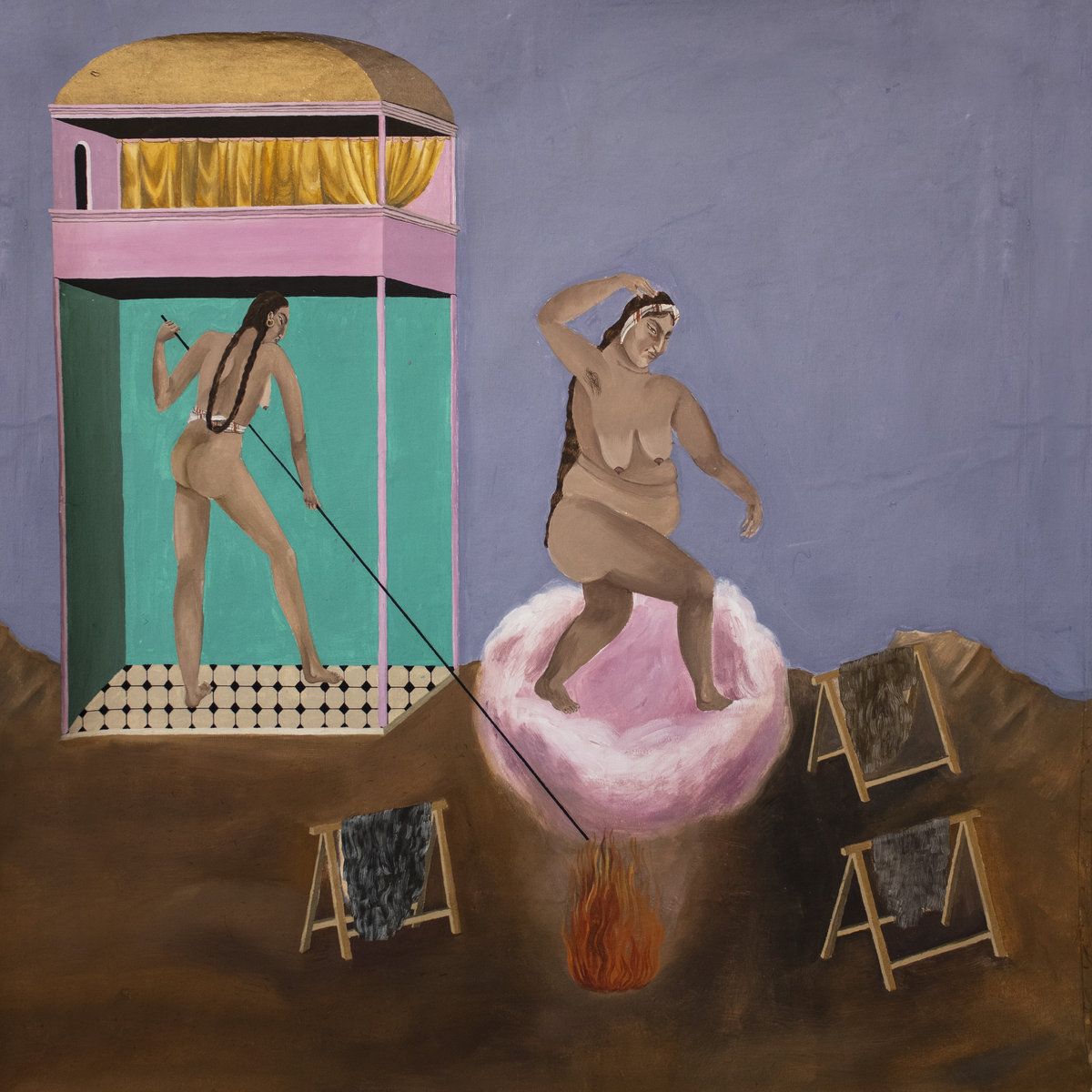
Se vi dicessi che in un solo album potreste ascoltare i Magnetic Fields, i Pains Of Being Pure At Heart, i Wild Nothing, i Cure, e un po’ di Echo & The Bunnymen, probabilmente pensereste che si tratti di una strana raccolta che unisce sonorità simili ma provenienti da epoche e luoghi lontani o che magari si tratti di una colonna sonora di qualche bel film indipendente, di quelli che vengono presentati al Sundance e, dopo qualche tempo, finiscono anche per diventare di culto. E invece no! Non si tratta di alcuna raccolta o colonna sonora, ma di Pious Fiction,ll’album d’esordio di Julian Never, alias di Julian Elorduy, residente a Sacramento, CA ed ex batterista del gruppo MAYYORS.
Di recente mi è capitato di leggere una lunga quanto interessante intervista a Robert Fripp. Di essa mi ha colpito in particolate un folgorante quanto apparentemente fugace passaggio, nel quale il decano inglese del prog, parlando del suo periodo new wave legato all’album Exposure (1979) e alle coeve collaborazioni con David Bowie, Peter Gabriel e Daryl Hall, marcava con diabolica precisione la differenza fra band post-punk inglesi e omologhe americane dell’epoca. Se in queste ultime furoreggiava un nichilismo idealizzato e bohèmien da scuola d’arte, nelle prime, a detta di Fripp, era l’urgenza della realtà politica a pressare l’estetica della canzone e a plasmarla in forme nuove: “La mia esperienza, nel muovermi da una situazione all’altra, mi porta a dire che da un lato c’era principalmente un movimento artistico, un modo di affrontare le cose, di vivere, di lavorare, e dall’altro lato soprattutto una forte componente di protesta nei confronti delle condizioni politiche ed economiche dell’Inghilterra di allora” (da Rumore n.371, dicembre 2022)
Qualche giorno fa, parlando tra il serio e il faceto, mio figlio -quasi undicenne- mi ha confessato che, tutto sommato, preferirebbe non crescere. Troppi problemi, troppe situazioni complesse da affrontare, troppi impegni noiosi, secondo lui. Ho provato a fargli capire che crescere, invece, lo aiuterà ad apprezzare la vita, che con l’età arriveranno anche tante soddisfazioni, che con la maturità i momenti di gioia saranno vissuti con maggiore consapevolezza e trasporto e che, da adulto, riuscirà ad assaporare e fare tesoro di quegli attimi di felicità che adesso, invece, trascura e dà per scontati. Non credo di essere stato tanto persuasivo. Probabilmente perché neanche io ci credevo molto (eppure stavo parlando con mio figlio, una delle pochissime ragioni per cui riesco ancora non dico ad apprezzare, ma almeno a tollerare l’età adulta).
THE HEPBURNS were born in the Welsh city of Llanelli, Carmarthenshire county. They formed in January 1985 and have recorded 11 albums, four singles and four BBC sessions in their 32-year career. They also toured the US and Scandinavia in 2017. Born of the post-punk, indie boom of the early-80s, but with their roots in the 1960s, their sound is an amalgam of indie guitar pop with Burt Bacharach, Jake Thackray, and Jonathan Richman as references. Their first full length, The Magic Of The Hepburns came out in 1988 on Cherry Red. After that they started their own label, Magic Records, and in 1989 released the single Electrified (From Countryside To City). In 1989, they also recorded Road Movie, but adverse situations led to the album never coming out (until more recently, when it was released in digital format in 2017) and to a decade-long silence. Then in 2000, Radio Khartoum offered them the infrastructure and support that the group needed, and they released Champagne Reception. In 2003, The Last Thing I Saw Before I Said Goodbye came out and Something Worth Stealing arrived in 2007. The following year, they released Trojan Hearse, a somewhat atypical album on the Welsh label Bendigedig Records. In 2010 How The Fallen Are Mighty came out, back with Radio Khartoum. Seven more years would pass for the next album to arrive: There’s No Such Things As The Hepburns. In 2018 In The Mean Time came out; it was the last album released to date with Radio Khartoum. In 2020, they self-released an album based on stories of the people from Llanelli, the place where they were born, Electric Lliedi Land. In 2021 they released Architecture Of The Ages on Elefant Records, with the vocal collaboration of Estella Rosa (the singer for NAH and SAPHIRE & STEEL) and, again with her contribution, a new album, Only The Hours, will come out March 4th on Lavender Sweep Records. Along with their leader, songwriter and founder Matt Jones, current line up is: Estella Rosa, Mike Thomas, Les Mun and A.D. Clement.
Alla luce di una contemporaneità fatta soprattutto di problematiche sociali e ambientali, guerre e pandemie non sorprende ritrovarsi di fronte a tante produzioni crepuscolari, spesso decisamente inclini a plasmare atmosfere distopiche. Il nero profondo, le ombre nette, il rumore e la dissonanza sono elementi a dir poco dominanti, ma fortunatamente a ogni regola corrisponde almeno un’eccezione.
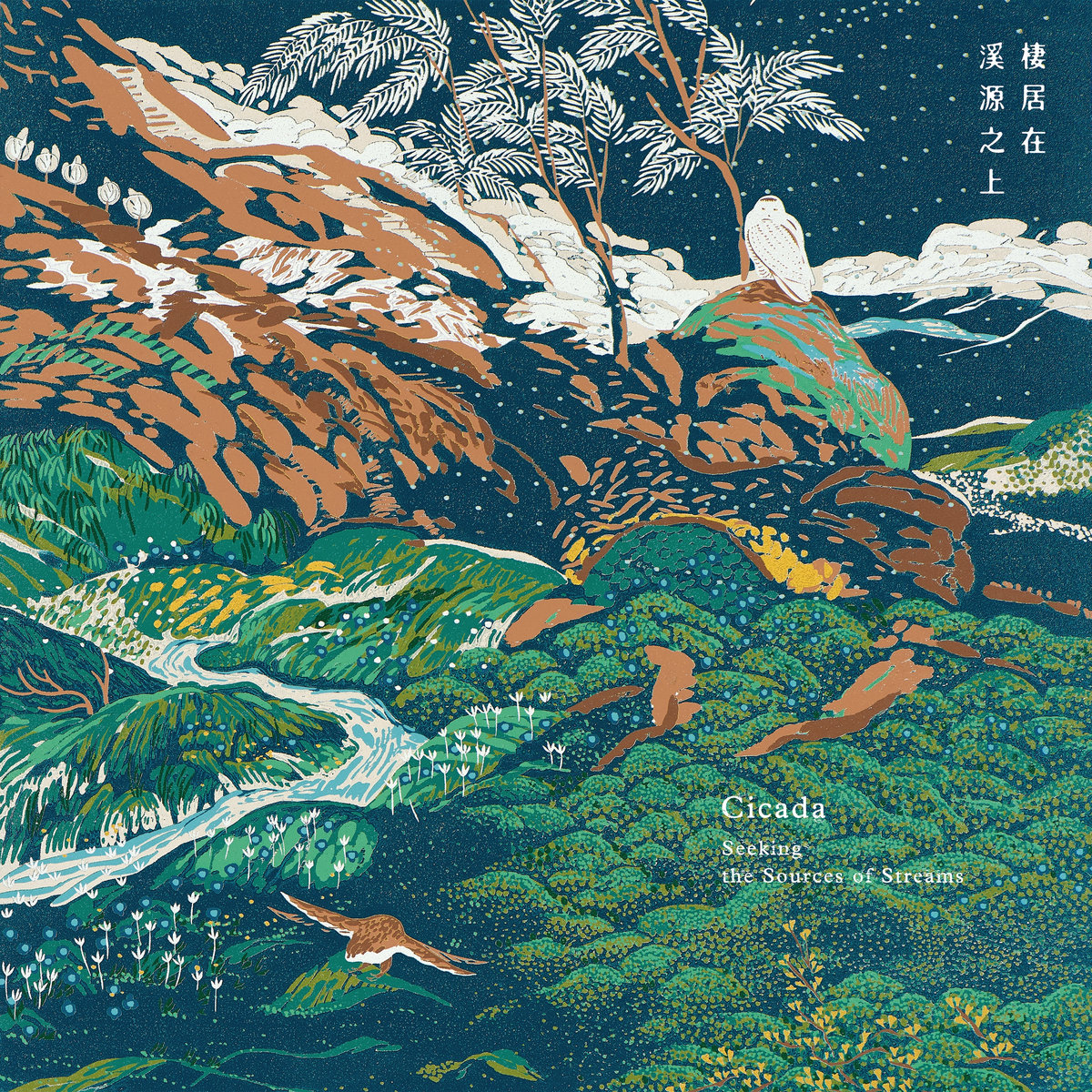
Nel caso della musica d’ambiente – particolarmente intrisa di toni plumbei – una realtà spiccatamente di segno opposto è rappresentata dall’attività di Flau, label con sede a Tokyo promotrice di itinerari sonori variegati accomunati da un’estetica onirica, orientata a costruire universi melodici confortevolmente luminosi. In tale contesto si inserisce la ricerca dei Cicada, ensemble di Taiwan formatosi nel 2009 e intento dal 2013 alla creazione di vere e proprie rappresentazioni aurali del paesaggio dell’isola.